
Why Is My AC Not Cooling?
Why Is My AC Not Cooling? Common Causes and Solutions
Nothing is more frustrating than coming home on a hot North Texas day only to discover your air conditioner is blowing warm air. In the middle of a Texas heatwave, an AC breakdown can quickly turn into an emergency.
If your air conditioner is running but your home still is not cooling down, there could be several possible causes. Some issues may have simple fixes you can handle on your own, while others require the expertise of a certified HVAC professional.
1. Dirty or Clogged Air Filter
The most prevalent reason for cooling problems is also the easiest to resolve. A very filthy air filter restricts airflow across the evaporator coil. The coil can't efficiently transfer heat from your house without enough air, and it can even freeze.
- The Impact: Beyond poor cooling, a dirty filter increases your energy bills and puts immense strain on your blower motor.
- The Fix: Check your filter monthly. If it’s grey and dusty, replace it immediately. During peak Texas summers, you may need to change it every 30 days.
2. Thermostat Settings and Power Issues
Although it seems simple, it occurs more frequently than you might imagine. The system may not be getting the signal to cool if your thermostat was bumped, the batteries are low, or a circuit breaker tripped.
- The Check: Ensure your thermostat is set to "Cool" and the fan is set to "Auto," not "On" (which blows air even when the compressor isn't running).
- The Fix: Check your electrical panel. A tripped breaker for the outdoor unit can cause the indoor fan to blow warm air because the compressor outside isn't running to chill the refrigerant.
3. Dirty Condenser Coils
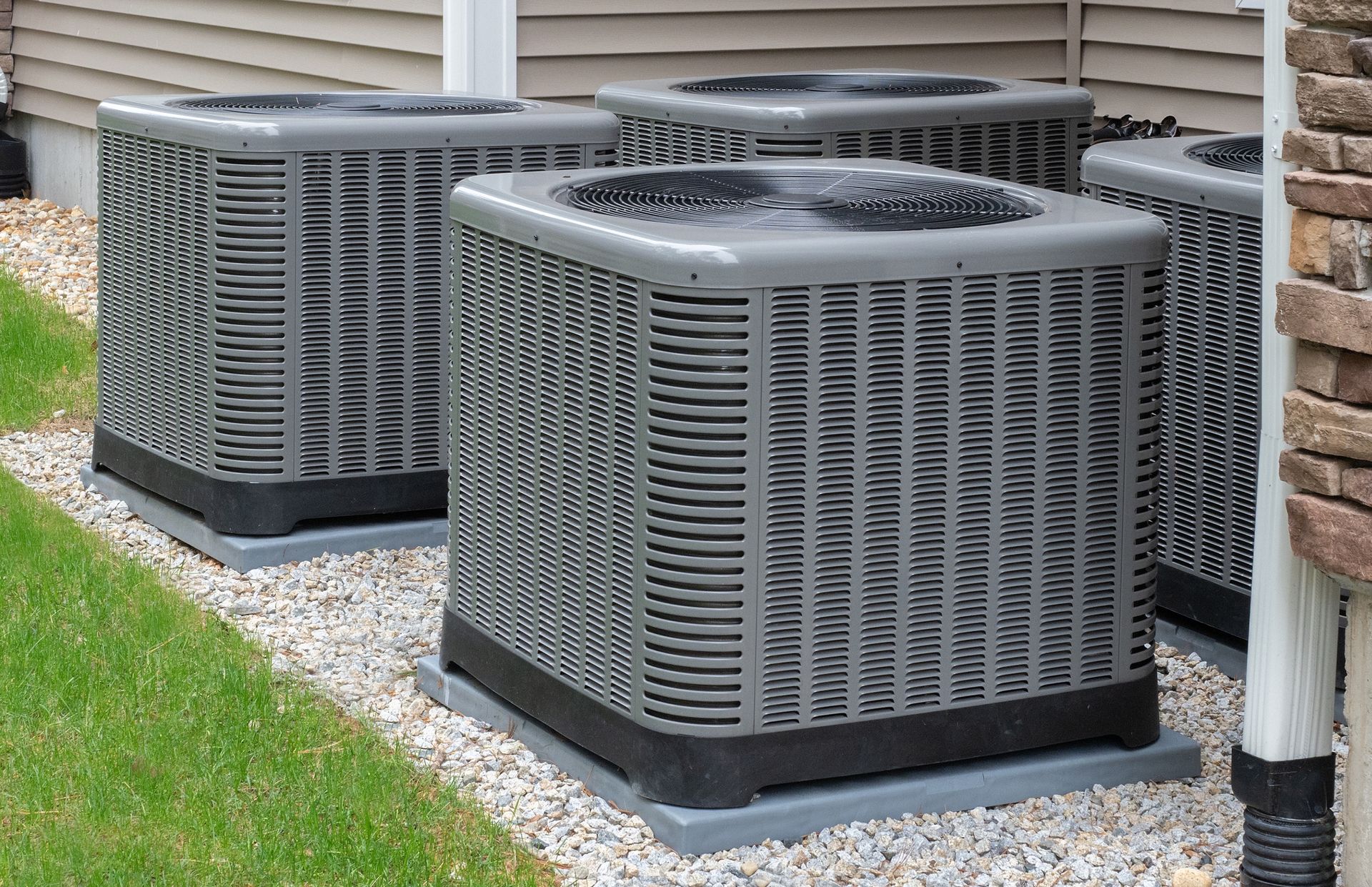
The condenser, an exterior unit, is responsible for removing the heat that has accumulated in your house. Your air conditioner will produce lukewarm air if the coils are covered in dirt, grass clippings, or other debris.
- Maintenance Tip: Vegetation should be kept at least two feet away from the unit to allow for proper heat exchange.
- The Fix: Clear any tall weeds or debris from around the outdoor unit. You can gently rinse the coils with a garden hose, but avoid high pressure, as it can bend the delicate aluminum fins.
4. Low Refrigerant Levels or Leaks
Refrigerant is the "blood" of your AC system. If your system is low on refrigerant, it usually indicates a leak in the copper lines. Since HVAC systems are closed loops, refrigerant should never "run out" or need "topping off" under normal circumstances.
- Signs of a Leak: You might hear a hissing or bubbling sound near the unit, or notice a sudden loss of cooling capacity.
- The Fix: This requires a professional. A technician from Selective Air can find the leak, repair it, and recharge your system to the correct levels.
5. Frozen Evaporator Coil
If you notice ice on the inside of the unit or on the copper wires leading outside, your evaporator coil has frozen. This is usually caused by low refrigerant or restricted airflow (dirty filters or blocked vents).
- The Danger: Running a frozen unit can cause "liquid slugging," which can damage your compressor.
- The Fix: Turn the system off at the thermostat to let the ice melt completely. Once melted, call a professional to identify the underlying cause, as it will likely freeze again without a proper repair.
6. Faulty Capacitor or Compressor
The capacitor acts like a large battery, providing the motor with the "kick" it needs to start. If the capacitor fails, the compressor won't turn on, meaning the air won't be cooled. If the compressor, the "heart" of your AC, has failed, the system will circulate air, but it will never get cold.
- The Warning: Your capacitor is probably out if the outdoor unit is humming but the fan isn't spinning.
- The Fix: To guarantee safety and system compatibility, certain high-voltage parts need to be professionally replaced.
7. Leaky or Blocked Ductwork
Even when the air conditioner is perfectly cooling, there are situations when the air never reaches your living area. There may be holes or disconnected joints in your attic ducting that allow cold air to escape while drawing in hot, dusty air.
- The Result: You'll notice uneven cooling, where one room is freezing while another is sweltering.
- The Fix: A professional duct inspection can identify leaks that are costing you hundreds of dollars in wasted energy.
The Cost of Delay: Why Immediate Action Matters
Many homeowners try to "wait it out" when their air conditioner starts to perform poorly. On the other hand, an air conditioner that is having trouble cooling typically works twice as hard to compensate. This results in:
- Shortened System Lifespan: Components wear out years earlier than they should.
- Sky-High Utility Bills: Your meter will spin rapidly as the unit runs 24/7 without reaching the target temperature.
- Secondary Damage: A simple $150 repair can quickly turn into a $5,000 replacement if a minor issue causes the compressor to burn out.
When to Call Selective Air
If your house keeps warming up even after you check your thermostat and filter, it's time for a professional diagnosis. Our experts employ state-of-the-art equipment to analyze airflow patterns, electrical demand, and refrigerant pressures in order to determine the root cause rather than just its symptoms.
Expert AC Repair in Frisco, Prosper, and Beyond. At Selective Air, we specialize in quickly and efficiently getting North Texas homes back to a comfortable temperature. We service all major brands and offer transparent, honest advice on whether a repair or a replacement is your best option.
Areas of Service
At Selective Air, we serve multiple areas of Texas. Some of our areas of service are mentioned below:
- Prosper
- Frisco
- Little Elm
- Aubrey
- Celina
- McKinney
- Colony
- Plano
- North Dallas
- Allen
- Carrollton
- Coppell and surrounding areas
Areas of Service
At Selective Air, we serve multiple areas of Texas. Some of our areas of service are mentioned below:
- Prosper
- Frisco
- Little Elm
- Aubrey
- Celina
- McKinney
- Colony
- Plano
- North Dallas
- Allen
- Carrollton
- Coppell and Surrounding Areas