
Signs Your HVAC System Needs Repair
What are the signs my HVAC system needs repair?
Your HVAC system is one of the most important systems in your home, and in North Texas, it works hard almost year-round. Between scorching summers, high humidity, and sudden winter freezes, your heating and cooling equipment endures serious strain. While some breakdowns seem to happen suddenly, most HVAC failures give warning signs long before they stop working completely. Knowing what to look for can save you from costly repairs, uncomfortable indoor temperatures, and emergency service calls during extreme weather.
At Selective Air, we believe in honest guidance and proactive solutions. The earlier you detect a problem, the more affordable (and less stressful) it usually is to fix.
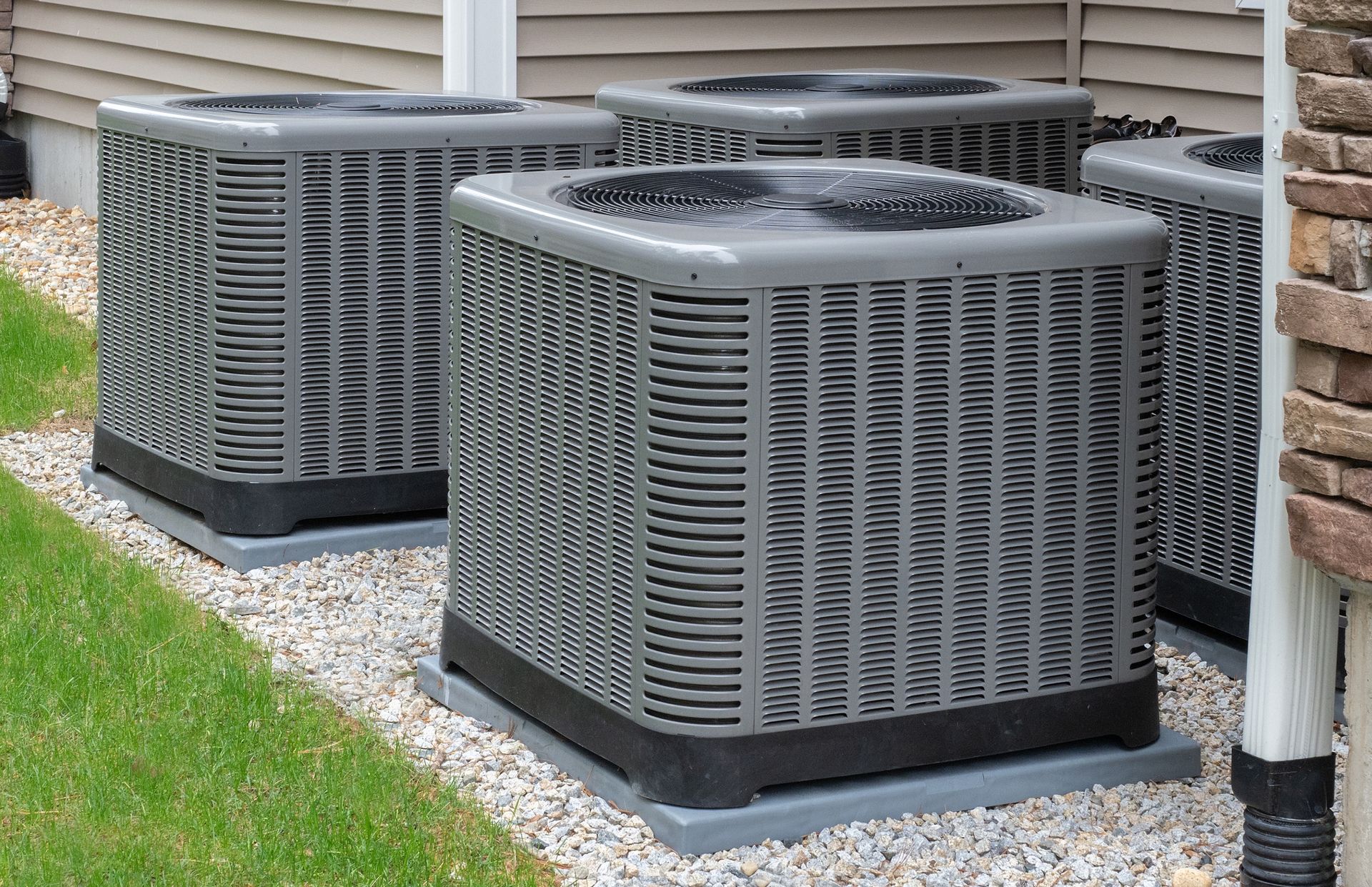
Why Early Detection Matters
HVAC systems rarely fail without warning. Small issues gradually worsen over time. A worn component, clogged drain line, or loose electrical connection may seem minor at first, but under heavy use, those small problems can quickly escalate.
Catching issues early can:
- Prevent complete system breakdowns
- Reduce repair costs
- Extend equipment lifespan
- Improve energy efficiency
- Protect indoor air quality
- Prevent secondary damage (like water leaks)
In North Texas, waiting too long can mean losing air conditioning during a heat wave or heat during a freeze when HVAC companies are busiest, and your comfort is most at risk. Our goal at Selective Air is to help you recognize these signs so you can call us as soon as a problem begins, before it escalates.
Weak or Reduced Airflow
If your vents are blowing air, but it feels weak or inconsistent, something isn’t functioning properly. Possible causes include:
- Clogged air filters
- Failing blower motors
- Blocked ductwork
- Dirty evaporator coils
- Duct leaks
Weak airflow forces your system to work harder to reach the set temperature, increasing wear and energy costs. If some rooms feel comfortable while others don’t, restricted airflow could be the issue.
Uneven Temperatures Throughout the Home
Are some rooms too hot while others are too cold? Uneven temperatures can indicate:
- Ductwork problems
- Air balancing issues
- Thermostat malfunctions
- Aging equipment
- Failing zone controls
In North Texas homes, especially larger or two-story properties, proper airflow balance is critical. Temperature inconsistencies often indicate your system isn’t distributing air efficiently or is struggling to keep up.
Strange Noises You Haven’t Heard Before
Your HVAC system should operate relatively quietly. Unusual sounds are often early warning signs. Listen for:
- Banging or clanking: Loose or broken internal components
- Grinding: Motor bearing problems
- Squealing: Worn belts or motor issues
- Clicking: Electrical control issues
- Buzzing: Electrical or capacitor problems
Ignoring strange noises can lead to larger mechanical failures. A minor part replacement is far less expensive than a full motor or compressor failure.
Unusual or Burning Smells
Smells coming from your vents should never be ignored. Common warning odors include:
- Burning smell: Electrical issues or overheating components
- Musty smell: Mold or mildew in ductwork or coils
- Chemical smell: Potential refrigerant leak
- Rotten egg smell: Possible gas issue (call immediately)
In humid North Texas climates, moisture buildup can lead to mold growth if left unchecked. Electrical smells may signal fire hazards and require immediate inspection.
Frequent Cycling (Short Cycling)
If your system turns on and off more frequently than normal, it may be short-cycling. This can be caused by:
- Thermostat issues
- Oversized equipment
- Refrigerant problems
- Electrical faults
- Dirty coils
Short cycling increases wear and tear, drives up energy bills, and can significantly shorten system lifespan.
Rising Energy Bills Without Explanation
A sudden spike in your utility bill is often one of the earliest signs that something isn’t right. If your usage habits haven’t changed but your bill has increased, your HVAC system may be:
- Losing efficiency
- Struggling to maintain temperature
- Running longer than necessary
- Operating with dirty components
North Texas summers already demand heavy AC use. If your system is inefficient, that demand becomes even more expensive.
Warm Air from Your AC (or Cool Air from Your Heater)
If your air conditioner is running but blowing warm air, or your heater is blowing cool air, something is clearly malfunctioning.
Possible AC causes:
- Low refrigerant
- Compressor issues
- Frozen evaporator coils
- Thermostat miscalibration
- Possible heating causes:
- Ignition failure
- Gas supply issues
- Heat pump malfunction
- Blower motor problems
This issue should be addressed promptly, especially during extreme temperatures.
Water Leaks or Moisture Around the Unit
Water pooling near your indoor unit can signal:
- Clogged condensate drain lines
- Frozen evaporator coils
- Cracked drain pans
- Improper installation
Left untreated, water leaks can cause:
- Mold growth
- Ceiling or drywall damage
- Flooring damage
- Structural concerns
In humid climates like North Texas, drainage systems must function properly to prevent moisture problems.
Ice Formation on Coils or Refrigerant Lines
Ice buildup on your AC components is not normal, even during hot weather.
This may indicate:
- Restricted airflow
- Low refrigerant levels
- Dirty coils
- Mechanical failure
Running your system while frozen can damage the compressor, which is one of the most expensive components to replace.
Thermostat Problems
Sometimes the issue isn’t the HVAC system itself; it’s the thermostat. Signs of thermostat trouble include:
- Inaccurate temperature readings
- System not responding to settings
- Constant cycling
- Blank display
A malfunctioning thermostat can create the illusion of a major system problem, but it’s often a simpler fix when caught early.
System Age and Frequent Repairs
If your HVAC system is over 10–15 years old and requiring more frequent service, that’s a sign it may be struggling.
Older systems:
- Lose efficiency
- Require more repairs
- Struggle in extreme heat or cold
- May use outdated refrigerants
While repairs are often worthwhile, repeated breakdowns may signal deeper wear.
When to Call for Repair And Why Acting Quickly Matters
If you notice persistent, unusual noises, burning or chemical smells, weak airflow, uneven temperatures, sudden increases in your energy bill, water pooling around your unit, warm air during the cooling season, or a lack of heat during winter, it’s time to schedule a repair. These warning signs rarely resolve on their own and often indicate a developing issue inside your system. If you detect anything that could pose a safety risk (such as a strong burning odor, electrical sparks, or a gas smell), turn off your system and call us immediately.
Acting quickly can prevent a minor issue from turning into a major component failure, emergency breakdown, or costly repair. In many cases, a small fix today, such as replacing a worn capacitor or clearing a clogged drain line, can prevent compressor damage, water damage, or a system shutdown during extreme North Texas weather. Addressing problems early not only protects your comfort but also extends the life of your HVAC system and helps you avoid the higher costs that come with waiting too long.
Trust Selective Air to Keep Your Home Comfortable
If you’re unsure whether the issues you’re experiencing are signs that your HVAC system needs repair, give our expert technicians a call today. At Selective Air, we’re always here to evaluate your system, provide honest answers, and recommend the most practical solutions with no overselling, no pressure, just professional guidance you can trust. By addressing small issues early, we help prevent major breakdowns, protect your comfort, and extend the life of your system. Our goal is simple: to keep your home comfortable year-round while giving you peace of mind that your HVAC system is in expert hands.
Areas of Service
At Selective Air, we serve multiple areas of Texas. Some of our areas of service are mentioned below:
- Prosper
- Frisco
- Little Elm
- Aubrey
- Celina
- McKinney
- Colony
- Plano
- North Dallas
- Allen
- Carrollton
- Coppell and surrounding areas
Areas of Service
At Selective Air, we serve multiple areas of Texas. Some of our areas of service are mentioned below:
- Prosper
- Frisco
- Little Elm
- Aubrey
- Celina
- McKinney
- Colony
- Plano
- North Dallas
- Allen
- Carrollton
- Coppell and Surrounding Areas