
Signs Your HVAC Needs Service
7 Warning Signs Your HVAC System Needs Professional Service
Living in North Texas means relying heavily on your HVAC system to handle everything from sweltering summer afternoons to unpredictable winter chills. Whether you are in Frisco, Prosper, or the surrounding Dallas area, your comfort depends on an efficient system.
Ignoring minor issues can lead to costly emergency repairs or a premature system replacement. Here are seven warning signs that it’s time to call in the professionals at Selective Air for an inspection.
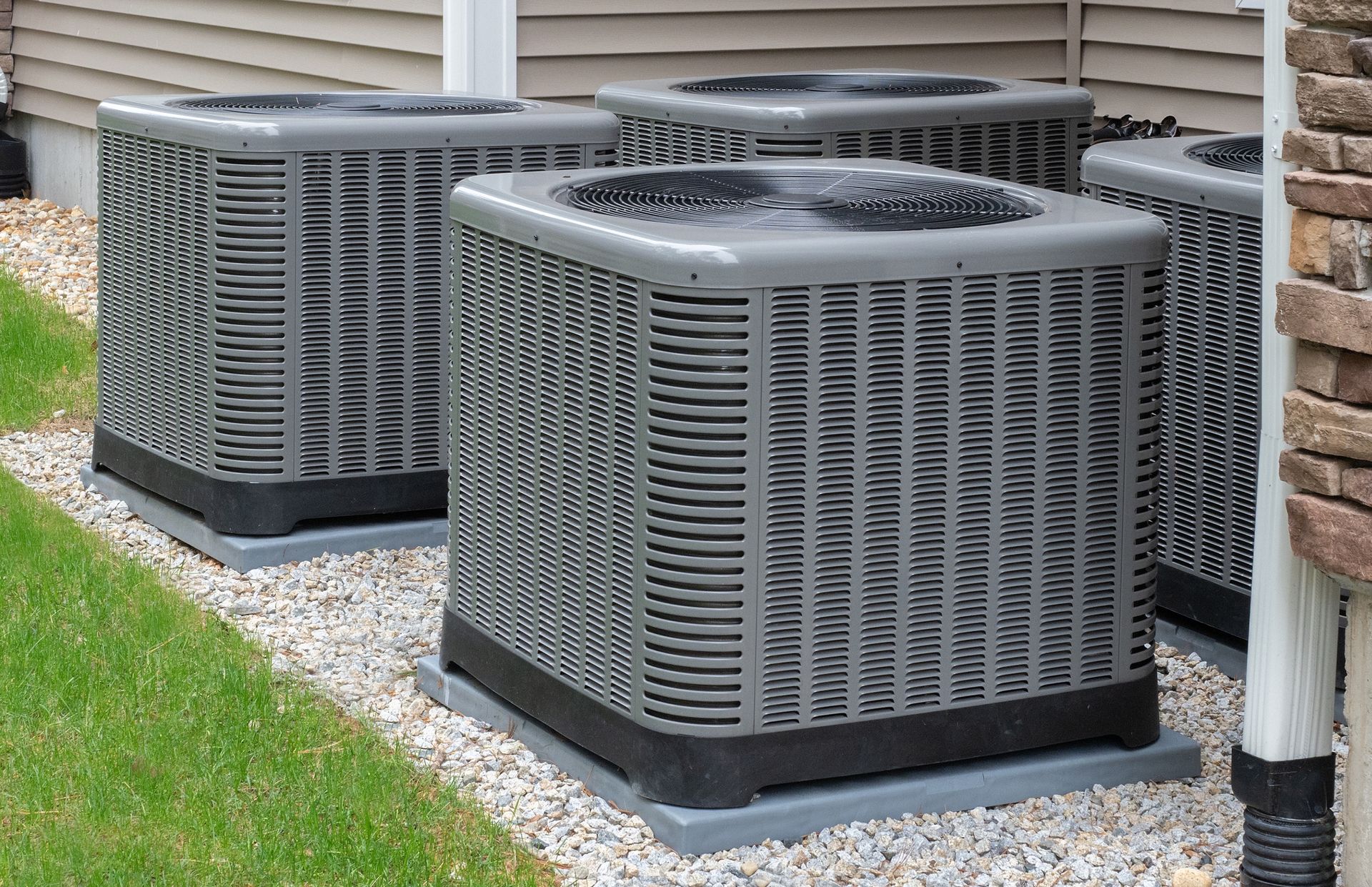
1. Unusual Noises
When your HVAC unit is running, you can normally count on hearing some kind of noise, but when there is an unusually loud banging, screeching, rattling, or whistling sound coming from the unit, you probably have a problem. This could mean you have a bad motor, a loose belt, or debris in the ductwork. Even a small mechanical failure could lead to a breakdown of the entire system unless you address these issues quickly!
2. Weak Airflow
If you have noticed that rooms in your house are way colder than other parts, or if you open one of your vents and there is weak airflow, this is probably an indication that there is a problem. Possible problems can be blocked filters, broken blower motors, or air leaks in the duct. Poor airflow forces your system to work harder, which will then wear out your unit faster.
3. Frequent Cycling
Do you frequently turn your heater or air conditioner on and off? "Short-cycling" is a serious warning sign. A malfunctioning thermostat, electrical problems, or a system that is having trouble maintaining the right temperature could be the cause. This continuous cycling shortens your unit's lifespan and dramatically increases your energy expenses.
4. Strange Odors
Air should come from your HVAC system, smelling clean and odor-free. If you notice an odor, such as musty “dirty socks,” it is probable that either mildew or mold is developing on the evaporator coils or in the ductwork. A metallic burning smell indicates an electrical malfunction or the potential for a motor to overheat.
5. Unexplained Spike in Energy Bills
If the cost of your electricity or gas bill has increased significantly without any changes in usage habits, it is likely that your HVAC system has lost efficiency. As different components age and/or accumulate dirt and debris, they will consume more energy to generate the same amount of heat/cool output. Regular HVAC service will help keep these costs at a minimum.
6. High Humidity Levels
A properly functioning air conditioning unit provides more than cold air; it also removes moisture from the air. If you feel that the air in your home is "sticky" or overly moist, your air conditioning unit may not be functioning correctly. Increased humidity in your home can also lead to mold growth and general discomfort.
7. Water Leaks
Actual standing water or leaks around your indoor unit can be dangerous; however, some condensation around the outdoor unit is common. Condensation may indicate a refrigerant leak or an obstruction in the drain line connected to your indoor unit. If you do not take corrective action quickly, you can experience significant water damage to your walls and floors.
Professional HVAC Service in North Texas
Don't wait for your system to break down completely. If you’ve noticed any of these signs in your home or business, our team at Selective Air is here to help. We provide expert repair, maintenance, and replacement services across Plano, McKinney, Little Elm, Carrollton, and the surrounding areas.
Areas of Service
At Selective Air, we serve multiple areas of Texas. Some of our areas of service are mentioned below:
- Prosper
- Frisco
- Little Elm
- Aubrey
- Celina
- McKinney
- Colony
- Plano
- North Dallas
- Allen
- Carrollton
- Coppell and surrounding areas
Areas of Service
At Selective Air, we serve multiple areas of Texas. Some of our areas of service are mentioned below:
- Prosper
- Frisco
- Little Elm
- Aubrey
- Celina
- McKinney
- Colony
- Plano
- North Dallas
- Allen
- Carrollton
- Coppell and Surrounding Areas