
HVAC Inspection Checklist for Early Fall
Get Your Heating System Ready
As summer winds down across North Texas, homeowners begin preparing for cooler mornings, changing temperatures, and the first signs of winter. Early fall is the ideal time to inspect your heating, ventilation, and air conditioning (HVAC) system before you depend on it to keep your home warm. A little preparation now can help you identify potential problems, support energy efficiency, and maintain comfortable indoor temperatures when colder weather arrives.
Whether you live in North Dallas or elsewhere in our Texas service area, our early fall HVAC inspection checklist can help you know what to check, what to watch for, and when to call our team for professional help.
Why Schedule an HVAC Inspection in Early Fall?
During a typical North Texas summer, your air conditioner may run for hours each day to keep your home cool. As temperatures begin to fall, your heating equipment may soon take over, often after months of limited use. This transition makes early fall an important opportunity to evaluate your system before the first significant cold front arrives. Waiting until your furnace or heat pump stops working can leave you searching for help when you need heat the most. An early fall inspection helps you spot visible concerns, address maintenance needs, and confirm your equipment is operating as expected. At Selective Air, we encourage homeowners to take a proactive approach rather than waiting for an uncomfortable surprise. Our HVAC maintenance services are designed to help identify developing issues, support dependable performance, and prepare your heating and cooling equipment for the demands of the coming season.
Your Early Fall HVAC Inspection Checklist
Use the following checklist to prepare your home for the transition from summer cooling to fall and winter heating. Homeowners can safely complete several basic checks, but leave electrical, gas, refrigerant, and internal equipment inspections to qualified professionals.
1. Check and Replace Your HVAC Air Filter
Your air filter is one of the simplest but most important parts of your HVAC system. After a summer of heavy air conditioning use, the filter may have collected dust, pollen, pet hair, and other airborne particles. A clogged filter can restrict airflow and make your equipment work harder than necessary. Check your filter and replace it if it is dirty or has reached the manufacturer's recommended replacement interval. Homes with pets, high occupancy, or elevated dust levels may require more frequent filter changes.
2. Test Your Thermostat Settings
Before temperatures drop, check that your thermostat is functioning properly. Replace batteries if necessary, confirm the displayed temperature is reasonable, and review your heating schedule. If your thermostat has separate heating and cooling settings, make sure the selected mode matches your needs. When you first test your heating system, allow it time to respond. If the system doesn't start, produces no warm air, or repeatedly switches on and off, you may have an issue that needs professional attention. A programmable or smart thermostat can also help you manage indoor temperatures around your household schedule. However, the best settings depend on your comfort preferences, energy costs, and the capabilities of your HVAC equipment.
3. Inspect Vents and Return-Air Grilles
Walk through your home and check that supply vents and return-air grilles are open and free from obstructions. Furniture, curtains, rugs, and household items can interfere with airflow, making it harder for your HVAC system to distribute conditioned air evenly. Pay attention to rooms that consistently feel warmer or cooler than the rest of the house. Uneven temperatures can result from blocked vents, ductwork concerns, insulation problems, or equipment issues. If you notice persistent hot and cold spots, Selective Air can help you explore possible causes and determine whether professional HVAC service is appropriate.
4. Examine Your Outdoor HVAC Equipment
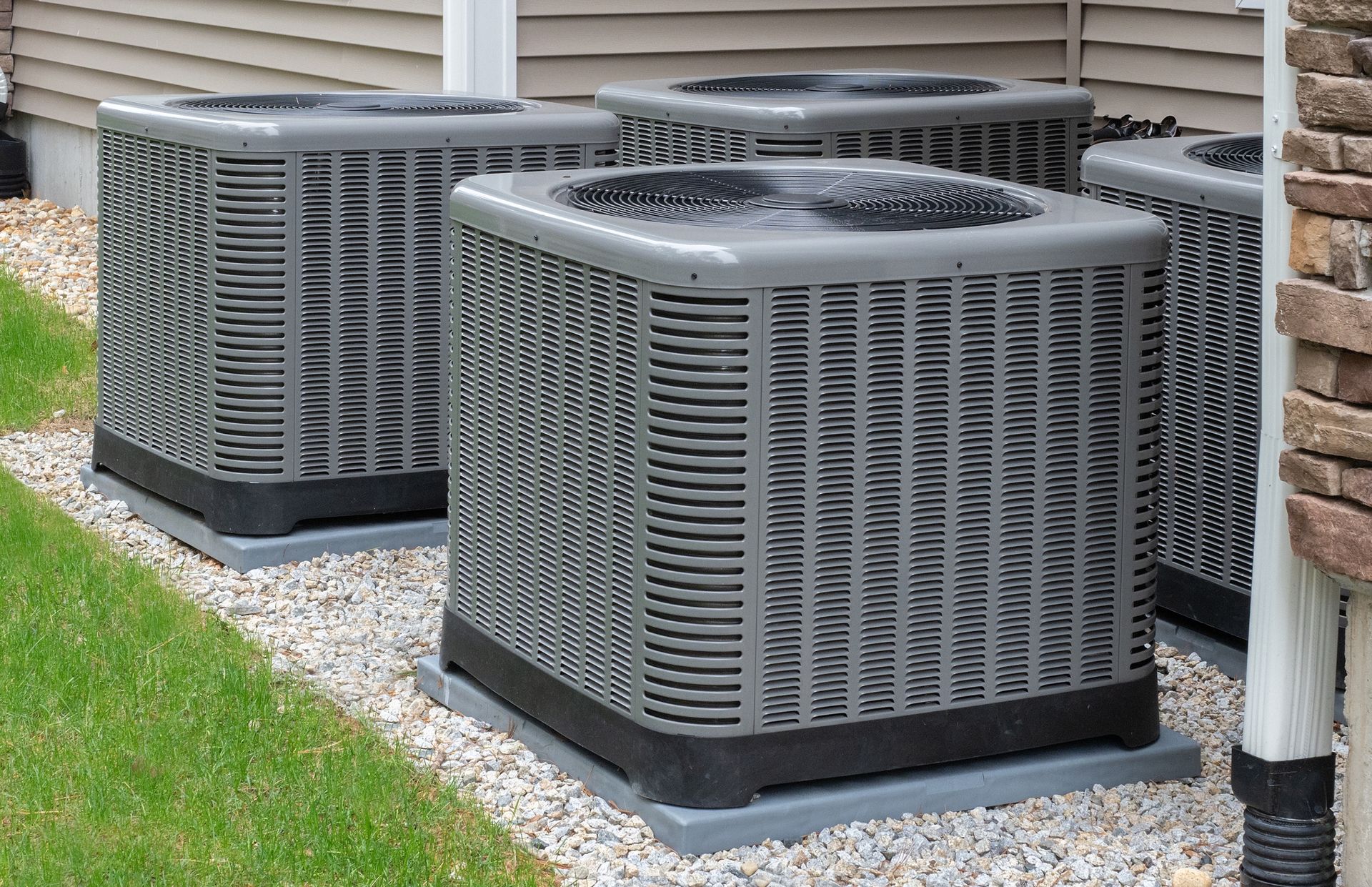
If your home uses a heat pump or central air conditioning system, inspect the outdoor unit from a safe distance. Remove loose leaves, grass clippings, and other debris around the equipment, keeping the manufacturer's recommended clearance around the unit. Look for visible damage, excessive debris, or signs of water collecting where it should not. Do not open electrical panels, remove equipment covers, or attempt internal repairs yourself. If your system uses a heat pump, remember that the outdoor unit may operate during heating season as well as cooling season. Keeping the area clear supports proper airflow throughout the year.
5. Test Your Heating System Before the First Cold Front
One of the most important items on your early fall HVAC checklist is testing your heating equipment before you urgently need it. Follow the manufacturer's instructions for operating your thermostat and heating system, and pay attention to whether the equipment starts and responds normally. Notice any unusual rattling, persistent grinding, repeated shutdowns, or a lack of warm air. Some gas furnaces may produce a brief odor when first used after a long period of inactivity, but a persistent burning smell, suspected gas leak, or carbon monoxide alarm should never be ignored. If you suspect a gas leak, leave the area without operating switches or creating ignition sources, and contact your gas utility or emergency services from a safe location. If a carbon monoxide alarm sounds, leave the building and contact emergency services.
6. Check for Unusual Energy Bills and System Performance
Your utility bills can provide useful clues about your HVAC system's condition. If your summer cooling costs increased unexpectedly, or your home took longer than usual to reach the thermostat setting, it may be worth investigating further. Restricted airflow, duct leaks, thermostat problems, inadequate insulation, and equipment issues can all affect system performance. Seasonal maintenance provides an opportunity to assess these concerns and identify areas that may need attention. Although no inspection can guarantee lower utility bills, addressing problems and maintaining equipment appropriately can help support efficient operation.
7. Consider Your Indoor Air Quality
Early fall is also a good time to think about the air circulating throughout your home. Dust, pollen, pet dander, and other airborne particles can affect indoor comfort, particularly when windows remain closed and the HVAC system operates more frequently. In addition to maintaining your filter, keep return-air grilles clean and address sources of excessive indoor moisture. If you have persistent dust concerns, lingering odors, or questions about filtration, additional indoor air quality solutions may be worth exploring.
When Should You Call a Professional HVAC Company?
Basic homeowner checks are helpful, but they do not replace a professional inspection. Your heating and cooling system contains components that require specialized training, equipment, and safety precautions.
Consider scheduling professional HVAC service if you notice:
- Your furnace or heat pump will not start or maintain your desired temperature.
- Your system makes unusual or persistent noises.
- Airflow is weak or temperatures vary significantly between rooms.
- Your equipment cycles on and off repeatedly.
- You notice unexplained increases in energy consumption.
- Your system requires frequent repairs or has not received routine maintenance.
Our team at Selective Air provides HVAC maintenance, troubleshooting, repair, and replacement services to help homeowners address these concerns. We focus on understanding the problem and helping you determine the most practical next step for your home.
Prepare for Cooler Weather with Selective Air
An early fall HVAC inspection is a practical step toward a more comfortable home and a more dependable heating season. By checking your filter, testing your thermostat, clearing vents, inspecting outdoor equipment, and arranging professional maintenance when needed, you can help prepare your system for changing North Texas weather. At Selective Air, we take pride in delivering professional heating, air conditioning, repair, replacement, maintenance, and indoor air quality services to Texas residents. We understand that every household has different comfort needs, and we are committed to helping you make informed decisions about your home's HVAC equipment.
Areas of Service
At Selective Air, we serve multiple areas of Texas. Some of our areas of service are mentioned below:
- Prosper
- Frisco
- Little Elm
- Aubrey
- Celina
- McKinney
- Colony
- Plano
- North Dallas
- Allen
- Carrollton
- Coppell and surrounding areas
Areas of Service
At Selective Air, we serve multiple areas of Texas. Some of our areas of service are mentioned below:
- Prosper
- Frisco
- Little Elm
- Aubrey
- Celina
- McKinney
- Colony
- Plano
- North Dallas
- Allen
- Carrollton
- Coppell and Surrounding Areas