
How to Improve Indoor Air Quality in Texas Homes
Simple Solutions to Improve Indoor Air Quality and Home Comfort
Indoor air quality plays a major role in your home’s comfort, health, and overall energy efficiency. In Texas, especially across North Texas, changing seasons, high pollen counts, humidity swings, and long air conditioning cycles can all impact the air you breathe inside your home. While many homeowners focus on temperature control, the quality of the air circulating through your HVAC system is just as important.
At Selective Air, we help Texas homeowners create healthier, more comfortable living environments by improving indoor air quality through proper HVAC maintenance, filtration upgrades, and moisture control solutions. Understanding what affects your indoor air (and how to improve it) can make a noticeable difference in both comfort and well-being.
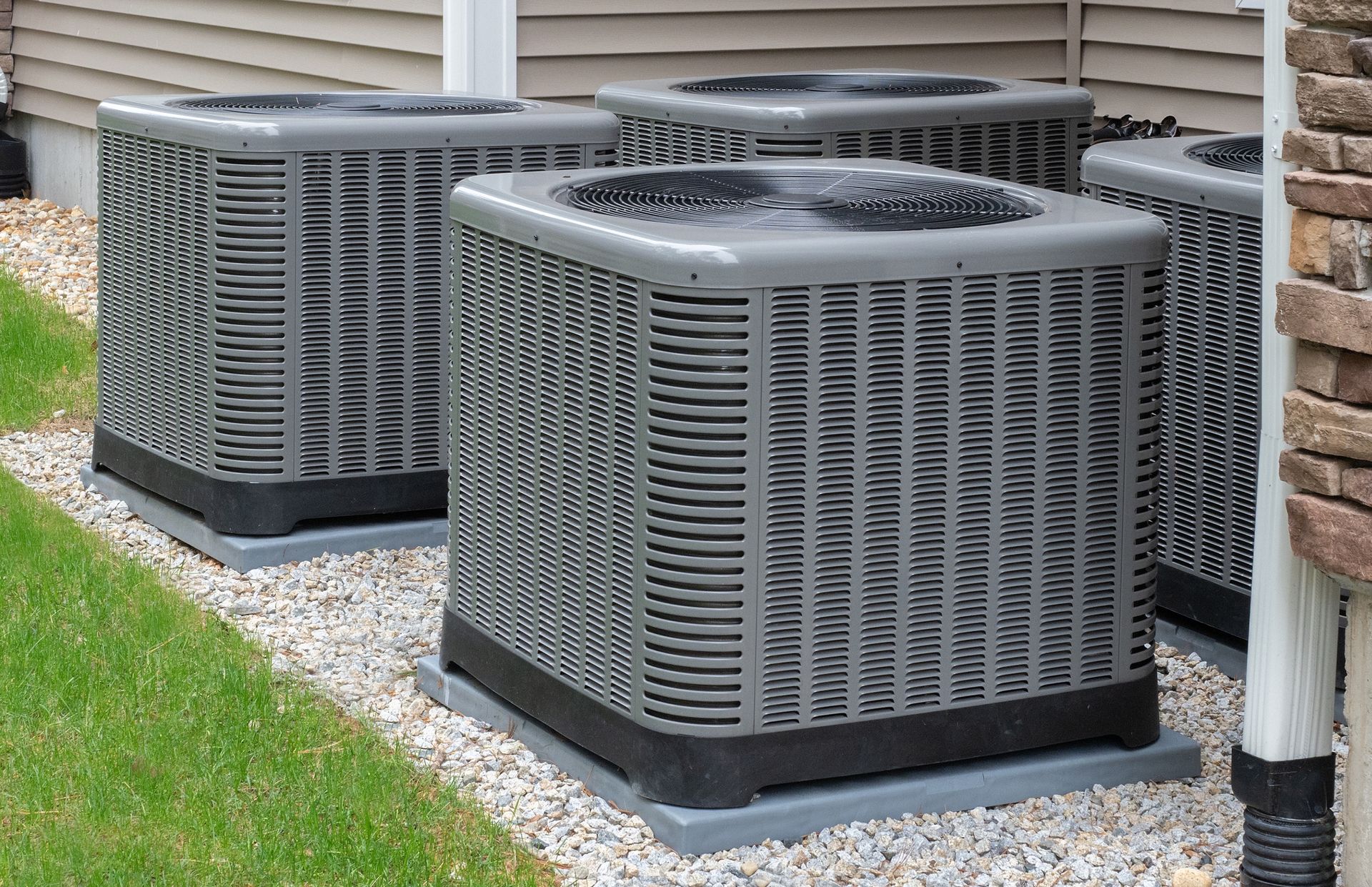
Understanding Indoor Air Quality in Texas
Texas homes face unique environmental challenges. Spring brings heavy pollen; summer increases humidity and airborne contaminants; fall can stir up dust and allergens; and winter often means closed windows with less natural ventilation. Because homes are sealed tightly for energy efficiency, airborne particles can become trapped indoors and continuously recirculated through the HVAC system.
Common indoor air pollutants in Texas homes include dust, pet dander, pollen, mold spores, bacteria, volatile organic compounds (VOCs), and excess humidity. When these contaminants build up, they can cause allergy symptoms, respiratory irritation, musty odors, and even strain on your HVAC system.
Improving indoor air quality starts with addressing the systems that circulate and filter your home’s air.
Upgrade and Maintain Your Air Filtration System
Your HVAC system’s air filter is the first line of defense against airborne contaminants. A standard filter captures larger dust particles, but a higher-efficiency filter can trap smaller allergens, such as pollen, pet dander, and fine debris.
Replacing air filters regularly is one of the simplest and most effective ways to improve indoor air quality. In North Texas, where pollen levels can be high, filters may need to be replaced more frequently during peak seasons. A clogged filter not only reduces air quality but also restricts airflow, forcing your HVAC system to work harder and increasing energy costs.
For homeowners looking for enhanced protection, advanced filtration systems or whole-home air purifiers can be integrated into the HVAC system. These systems work continuously as air circulates, capturing finer particles and improving overall air cleanliness throughout the home.
Control Humidity Levels Year-Round
Humidity plays a significant role in indoor air quality in Texas homes. High humidity levels create an environment where mold and mildew can grow, especially during the long cooling season. On the other hand, indoor air can become overly dry during winter heating cycles.
Air conditioning systems naturally remove some moisture from the air, but they are not always sufficient to manage humidity levels on their own. Whole-home dehumidifiers can help maintain balanced moisture levels during humid months, reducing the risk of mold growth and musty odors. Proper humidity control also makes your home feel more comfortable, allowing you to maintain comfort at slightly higher thermostat settings and potentially lower energy bills. Balanced humidity protects not only your health but also your home’s structure, furniture, and HVAC equipment.
Improve Ventilation and Air Circulation
Modern Texas homes are built for energy efficiency, often resulting in tight seals. While this reduces energy loss, it can also limit the exchange of fresh air. Without proper ventilation, pollutants can accumulate indoors. Ensuring proper airflow throughout your home helps reduce stagnant air and uneven temperatures. Clean ductwork, properly functioning return vents, and balanced airflow allow your HVAC system to circulate air efficiently. In some cases, mechanical ventilation solutions may be recommended to introduce controlled amounts of fresh air without sacrificing efficiency. Proper ventilation helps dilute indoor contaminants and maintain healthier air throughout the home.
Schedule Routine HVAC Maintenance
One of the most overlooked factors in indoor air quality is regular HVAC maintenance. Over time, dust and debris accumulate on coils, blower components, and internal system parts. If left unaddressed, these contaminants can circulate through your ductwork every time the system runs.
Routine maintenance includes cleaning internal components, checking airflow, inspecting duct connections, and ensuring filters are functioning properly. Keeping your system clean improves air quality and supports better performance and efficiency.
Seasonal HVAC tune-ups are especially important in North Texas, where air conditioning systems may run for extended periods during the summer. A clean, properly calibrated system circulates cleaner air and reduces strain on mechanical components.
Address Ductwork and Air Leaks
Your duct system plays a critical role in indoor air quality. Leaky or poorly sealed ducts can pull in dust, insulation particles, and other contaminants from attics or crawl spaces. These pollutants then circulate throughout your home.
Duct inspections can identify leaks, loose connections, or buildup inside the ductwork. Sealing ducts not only improves air quality but also increases system efficiency by preventing conditioned air from escaping before it reaches living spaces.
Proper duct design and sealing ensure that the air being delivered into your home is as clean and efficient as possible.
Consider Whole-Home Air Quality Solutions
For households with allergy sufferers, pets, or persistent air quality concerns, whole-home air purification systems can provide an additional layer of protection. These systems integrate directly with your HVAC equipment and treat the air as it passes through.
Air purification technologies can reduce airborne bacteria, viruses, odors, and microscopic allergens. When combined with proper filtration and humidity control, they create a comprehensive indoor air quality strategy tailored to Texas environmental conditions.
Choosing the right solution depends on your home’s size, layout, and specific concerns. Professional evaluation ensures you invest in improvements that provide measurable results.
The Connection Between Air Quality and Energy Efficiency
Improving indoor air quality does more than support health; it can also enhance HVAC performance. Clean filters, balanced humidity, sealed ductwork, and well-maintained components reduce strain on your system. When airflow is unrestricted and components are clean, your HVAC system operates more efficiently. Improved efficiency translates into lower monthly utility bills and reduced equipment wear. Over time, better air quality and system performance work together to extend the lifespan of your heating and cooling system. In Texas, where HVAC systems often run for much of the year, maintaining both air quality and efficiency is especially important.
Why Texas Homeowners Choose Selective Air
Improving indoor air quality requires more than just changing a filter. It involves understanding how climate, humidity, system design, and home structure all work together. Selective Air approaches indoor air quality with a comprehensive and honest perspective.
Our team evaluates your HVAC system, ductwork, filtration, and moisture levels to identify practical improvements that truly benefit your home. We focus on clear explanations and realistic recommendations, ensuring you understand your options without unnecessary upselling. If simple maintenance solves the issue, we’ll let you know. If upgrades would significantly improve your air quality, we’ll explain why and let you decide.
Because we understand the seasonal patterns and environmental factors affecting North Texas homes, we tailor our solutions specifically to the region’s climate. Our goal is to help you breathe easier while maintaining reliable system performance.
Creating a Healthier Indoor Environment
Indoor air quality impacts daily comfort in ways many homeowners don’t initially recognize. Cleaner air can reduce allergy symptoms, eliminate persistent odors, regulate humidity, and create a fresher living environment overall. When your HVAC system is properly maintained and optimized, it supports not just temperature control but total indoor comfort.
Improving indoor air quality in Texas homes starts with proactive maintenance, proper filtration, humidity management, and professional evaluation. With the right approach, you can create a healthier, more efficient, and more comfortable home year-round.
Selective Air is committed to helping North Texas homeowners achieve balanced, reliable indoor air quality through honest service and expert HVAC care.
Areas of Service
At Selective Air, we serve multiple areas of Texas. Some of our areas of service are mentioned below:
- Prosper
- Frisco
- Little Elm
- Aubrey
- Celina
- McKinney
- Colony
- Plano
- North Dallas
- Allen
- Carrollton
- Coppell and surrounding areas
Areas of Service
At Selective Air, we serve multiple areas of Texas. Some of our areas of service are mentioned below:
- Prosper
- Frisco
- Little Elm
- Aubrey
- Celina
- McKinney
- Colony
- Plano
- North Dallas
- Allen
- Carrollton
- Coppell and Surrounding Areas